Real things, not just a certificate
A launched game
Your team's original game, released on itch.io in week 8.
A pitch
A publisher-ready pitch, built with the professors and practiced in class.
Pitch Night
You pitch live to publishers, press and industry judges. One game takes Most Viable Game.
A team and a network
Teammates, professors and a Discord of devs from six continents. Plus the Level 3 certificate for LinkedIn.
Prototype to launch, two weeks at a time
Each phase ends with a build, and all along your House competes for the House Cup.
- Weeks 1-2
Pre-production
Sorting Ceremony into Houses, form your team, pick a concept and build a playable prototype.
- Weeks 3-4
Alpha
Get the core loop in and playtest it. Plan scope, budget and production.
- Weeks 5-6
Beta
Content and polish, plus your go-to-market plan.
- Weeks 7-8
Launch
Release on itch.io, final pitch and Pitch Night.
Learn the studio, not just the engine
Sixteen live sessions on what it takes to run an indie studio, taught by people who've done it. Classes are about getting the reps: you apply each one to your own game that week.
- Team formation and the Sorting Ceremony
- Market opportunities and prototyping
- Game design fundamentals
- Project management
- Data and metrics
- Business and budgeting
- Go-to-market
- Social media marketing
- Founding and funding
- How to pitch your game
- Live service planning
- Final pitch
Taught by industry veterans
Led by headmaster Willem Delventhal (10+ years in games: Paradox, Meta, IMVU) with guest professors. Past professors include:

Christina-Marie Drake
Founder of Moms in Gaming and Ghostpunch Games Recruiter. Almost a decade of experience in strategic initiatives, HR and recruitment coupled with a strong background in leadership and technology.

Sybil Collas
Creative Director, Senior Narrative Designer, Writer, D&I Consultant. Contributed to more than 40 projects over the past 10 years.

Renee Gittins
Creative Director and Studio Head at Stumbling Cat, passionate advocate and connector for developers and diversity in the game industry, with a background that spans across engineering, design, and production.

Viktor Blanke
Viktor Blanke is an Art Director based in Stockholm, via Sydney and London. Currently working at Mojang Studios and previously with Paradox Interactive and EA DICE. He strongly believes in the potential for storytelling and unique experiences within games as a medium, and its capacity for inclusion, understanding and discovery.
Level 3 is for you if...
- You've made a few small projects or game jams and want the indie studio experience.
- You want to found a studio, not wait to be hired.
- You learn best live, with deadlines and a team that counts on you.
- You finished Level 2 and want to go further.
It's not for you if...
- You want a recorded course to watch at your own pace.
- You're looking for a job guarantee. We don't offer one.
- You've never made a game. Start with Level 1, it's free.
- You can't make two evening classes a week (EST) for 8 weeks.
Why a live 8-week program?
There are good ways to learn game dev. Here's how the common formats differ, so you can pick the right one.
| Recorded course library | Year-long career program | Business-only bootcamp | IGA Level 3 | |
|---|---|---|---|---|
| Format | Videos, sometimes live calls | Live classes or 1:1 mentoring | Live classes | Live classes + team production |
| Length | Any | 9-12 months or more | About 8 weeks | 8 weeks |
| You leave with | Skills, a prototype | A portfolio, career support | A pitch deck | A launched team game and a pitch |
| Publisher pitch | Rarely | Sometimes (to employers) | Practice | Pitch Night with publishers |
| Best for | Learning one engine cheaply, alone | A structured route toward a studio job | Teams that already have a game | Devs who want to ship and found a studio |
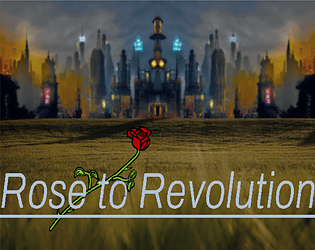
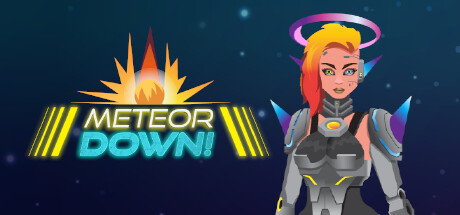
Games our students launched

"As a graduate of all three Levels, I can safely say this is the most supportive community I've had the pleasure of working with. By the end of the coursework, I was completely prepared to start my own studio... So I did: I founded Sea Stories Creative Studios LLC."
"Indie Game Academy has been vital to my growth and development as a game writer and narrative designer. I've had the privilege of taking all three levels... I now have multiple game credits to my name and that list just keeps growing!"
Questions
Is Level 3 live or self-paced?
Live. You meet twice a week, Tuesdays and Thursdays, 6:30-8:30 PM EST, in our Discord. Sessions are recorded for enrolled students in case you miss one.
Do I need a team?
No. Bring your own team of any size, come solo, or let us form a team for you at the Sorting Ceremony in week one. Teams run from 1 to 7 people.
What level do I need to be?
You should have finished a few small projects or game jams in any discipline: programming, art, design, writing, audio, production or marketing. If you're brand new, start with Level 1 (free).
How much time does it take?
Two 2-hour live classes a week, plus the time your team spends building.
How do scholarships work?
Scholarships are a lottery: apply, and if you're drawn you pay $399 (60% off) instead of $999.
Will Level 3 get me a job?
We don't promise jobs or placements. We help you ship a game, build a team and learn to run a studio. Graduates have gone on to found studios and earn game credits.
What happens after Level 3?
Your game is out on itch.io and you've pitched it to publishers at Pitch Night. The most promising games can continue with the Indie Game Foundry, our publishing arm.
What tools and engine do we use?
Any engine your team knows: the curriculum is engine-agnostic. Classes cover design, production, business, marketing and pitching, not one tool.
More answers in the FAQ, or write to team@indiegameacademy.com.